01601382688   info@aidbd.org
   
Clean Water

Clean Water

Safe drinking water is basic to health, and AID brings it to communities that lack it. It operates 6 solar-powered RO plants, has installed 163 tube wells and b...

Clean Water

Clean Water

Safe drinking water is basic to health, and AID brings it to communities that lack it. It operates 6 solar-powered RO plants, has installed 163 tube wells and built 22 community water points. Together these serve over 3,000 families and provide about 13.4 million litres of water a year. Communities manage the plants, charging a nominal fee, and water is free for the poorest households.

RO Water Plant Community Point Wells Water Wells

What We Deliver

Every intervention is designed to respond to real community needs and support lasting change.

RO Water Plant
01 Clean Water

RO Water Plant

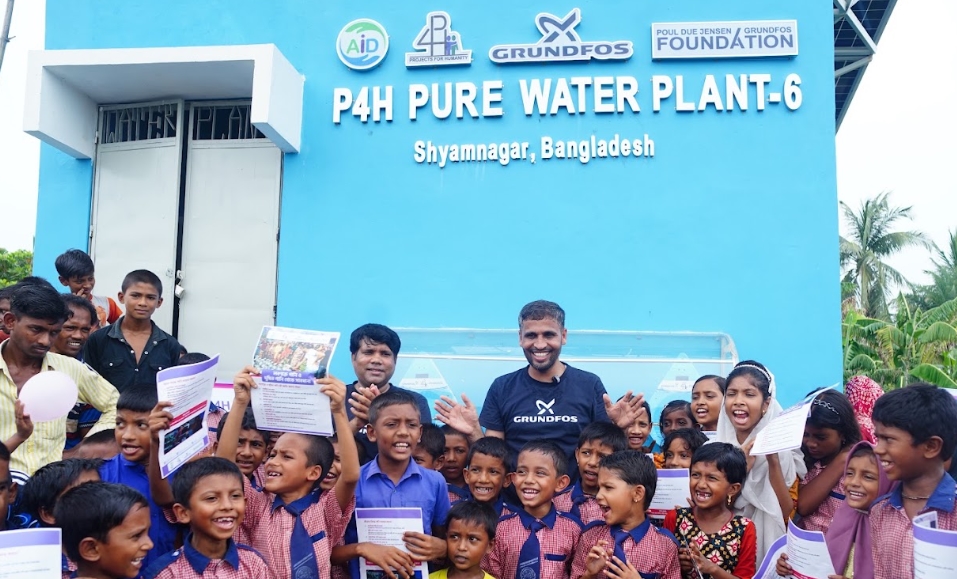
The RO (Reverse Osmosis) Water Plant Program of AID BD is a sustainable clean water initiative designed to provide safe, purified drinking water to communities affected by contaminated or unsafe water sources. Through this program, AID BD installs and operates RO water purification systems that remove harmful contaminants, ensuring access to high-quality drinking water. These plants serve schools, villages, and densely populated areas where safe water is limited.

Community Point Wells
02 Clean Water

Community Point Wells

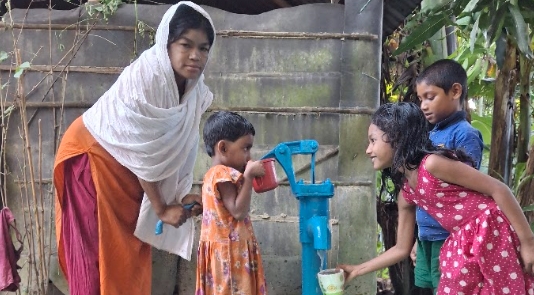
AID BD installs shared water point wells in strategic community locations such as villages, schools, and public gathering areas. These wells serve multiple households, ensuring that clean water is easily accessible within walking distance. The initiative helps reduce water scarcity, prevent waterborne diseases, and improve daily living conditions—especially for women and children who often travel long distances to collect water.

Water Wells
03 Clean Water

Water Wells

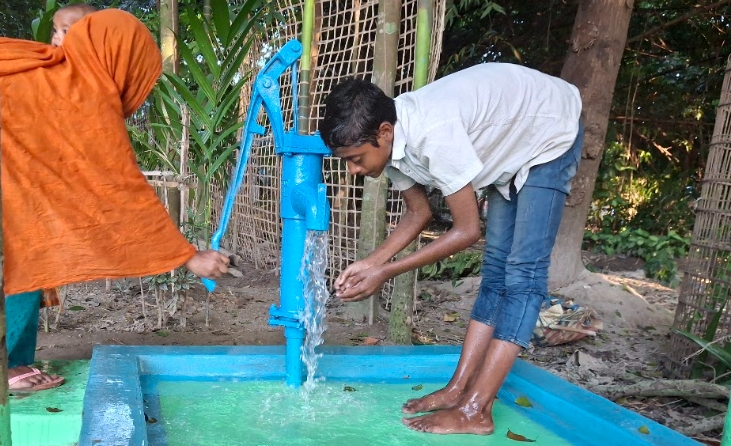
Through this program, AID BD installs deep tube wells and hand pumps in areas where access to safe water is limited or unavailable. This initiative helps reduce waterborne diseases, improve public health, and ease the daily burden of collecting water—especially for women and children. Priority is given to rural villages, low-income households, schools, and communities facing acute water scarcity. Each installation is carried out based on proper assessment to ensure long-term usability and maximum community benefit.

Water Wells
Water Wells
Water Wells
Water Wells